A vast central-Oman reserve where the white silhouette of the Arabian oryx returned to the wild, turning an empty-looking desert into one of the country's most meaningful conservation landscapes.
Haima, Central Al Wusta
Arabian Oryx HabitatFormer UNESCO World Heritage Site
About this Destination
Arabian Oryx Sanctuary is the kind of destination that changes shape once you understand what you are looking at. At first it can seem like open desert on a grand scale - long horizons, spare vegetation, pale light, and silence. Then the context catches up with you: this is one of the landscapes most closely associated with the return of the Arabian oryx after the species had vanished from the wild, and suddenly every track, every sighting, and every hour of patient scanning feels heavier with meaning.
The strongest sources agree on why the sanctuary matters. Oman reintroduced the Arabian oryx here in the early 1980s, UNESCO later inscribed the sanctuary in 1994, and the site became globally famous again when it was removed from the World Heritage List in 2007 after the protected area was drastically reduced. That history should not obscure what the reserve still is today: a major protected landscape in Al Wusta, centered around Haima, where conservation, wildlife recovery, and low-footprint ecotourism still define the experience far more than spectacle. Come for the possibility of seeing oryx in their natural setting, but stay long enough to feel how rare that possibility really is.
Visual Journey
Experience Arabian Oryx Sanctuary Through the Lens
A curated selection of moments from the Haima, Central Al Wusta.
Wildlife
White Antelope, Wide Horizon
What stays with most visitors is not only the animal itself, but the scale around it - a pale oryx moving through a desert large enough to make every sighting feel earned.
Landscapes
A Desert That Looks Empty Until It Isn't
The sanctuary teaches patience. At first there is only distance and heat shimmer, then suddenly the landscape begins to reveal tracks, movement, and life.
Heritage
The Return of the Arabian Oryx
Part of the power here comes from knowing this is one of Oman's defining reintroduction stories - not a zoo memory, but a real return to the wild.
Landscapes
Central Oman Light and Silence
This is desert light in its purest form - spare, uncluttered, and beautiful in a way that only reveals itself once you stop expecting drama every minute.
Wildlife
Watching for Wildlife the Slow Way
Arabian Oryx Sanctuary works best for travellers who do not mind waiting, scanning, and letting the place unfold at the pace the animals choose.
Sunsets
Evening Over the Reserve
Late afternoon gives the reserve its gentlest character, when the light softens and the whole desert seems to exhale at once.
Roads
A Meaningful Stop Between North and South
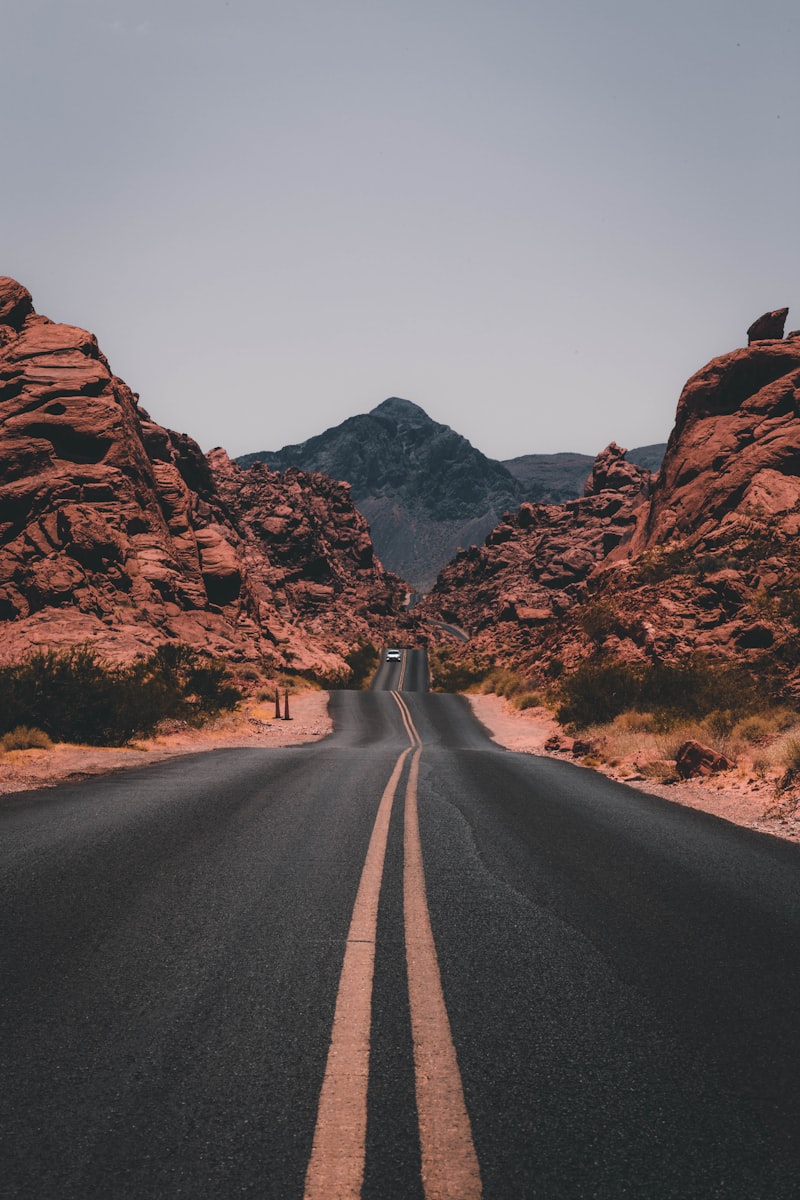
On the long overland route through Al Wusta, this is the sort of stop that adds emotional depth to the journey - less about ticking a site off, more about understanding what Oman chose to protect.
✦ Highlights
One of Oman's most important wildlife conservation landscapes
Strong association with the reintroduction of the Arabian oryx to the wild
Protected central desert habitat around Haima in Al Wusta
Potential sightings of oryx, gazelle, and other desert wildlife with patience and timing
Powerful desert light, open horizons, and excellent photography conditions
A meaningful ecotourism stop on the Muscat-Salalah overland route
🎯 What to Do
🦅Wildlife Watching
📷Photography
📍Scenic Desert Drive
🦜Birdwatching
📍Conservation Learning
🌟Stargazing
🗺️ Getting There
🚗
The sanctuary is associated with the Haima area in central Al Wusta, along the main north-south route between Muscat and Salalah. Standard road access reaches the wider area easily, but deeper reserve experiences, wildlife viewing logistics, and any managed tourism access should be treated as coordinated or guided rather than assumed.
⚠Treat this as a wildlife landscape, not a guaranteed safari; patience matters more than speed.
️Check current access guidance before going, because reserve management and ecotourism arrangements may evolve.
✅Early morning and late afternoon give you the best chance for wildlife movement and better photography light.
�Bring binoculars, extra water, sun protection, and plenty of fuel margin.
�Keep a respectful distance from all wildlife and do not leave marked or approved access routes casually.
Tourism Partners
Plan with a Local Guide
These operators offer guided tours and experiences at Wadi Hoqain — from half-day swims to full overnight treks. Book directly through them for the best experience.