🗿 Archaeological Site📍 Ad Dakhiliyah🚗 Standard car
Salut Archaeological Site
A hilltop settlement above the Bahla plain where towers, terraces, and ancient irrigation memory turn a quiet inland stop into one of Oman's most important archaeological landscapes.
Bahla, Bisya Plain
UNESCO Tentative ListIron Age Oasis Settlement
About this Destination
Salut does not overwhelm you through size alone. Its power comes from placement: a fortified hill rising above an oasis plain, with the sense that every wall, terrace, and passage was built because water, defence, and survival once had to work together with absolute precision. Walk it slowly and the site begins to feel less like a ruin and more like a high vantage point into how inland Oman first learned to organise settlement at scale.
The strongest sources place Salut among the most important archaeological landscapes in Oman. The wider Bisya and Salut cultural landscape sits on UNESCO's Tentative List, and Salut itself is one of the best documented Iron Age sites in the country, with evidence that reaches back into the Bronze Age and forward into later occupation. Excavations have revealed towers, fortification walls, terraces, organic remains, and early irrigation context, all of which help explain how an oasis society could grow here between Wadi Saifam and Wadi Bahla. Come expecting atmosphere as much as information: this is a site for travelers who like history to stay tied to terrain.
Visual Journey
Experience Salut Through the Lens
A curated selection of moments from the Bahla, Bisya Plain.
Landscapes
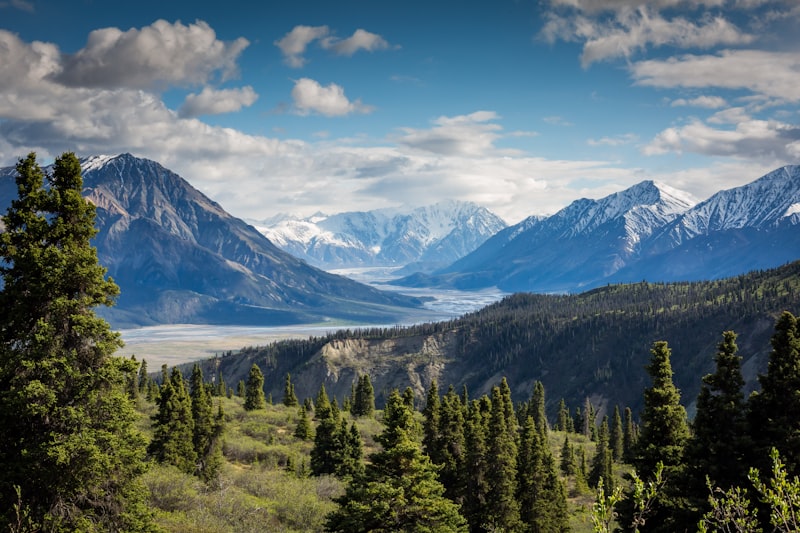
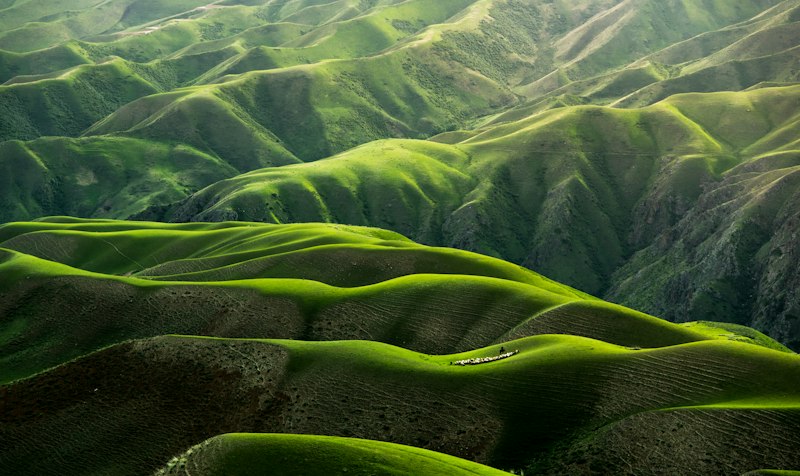
The Hill Above the Oasis Plain
Salut makes its first impression through position - a settlement rising just enough above the plain to feel strategic, deliberate, and deeply tied to the land around it.
Heritage
Walls, Terraces, and Ancient Planning
The site becomes more compelling the longer you stay with its structure: retaining walls, platforms, and the quiet intelligence of building with water and defence in mind.
Heritage
An Iron Age Site That Still Feels Legible
One reason Salut matters is that it still reads clearly - not just as old stone, but as a place where rooms, routes, and priorities can still be felt.
Landscapes
Between Wadi Saifam and Wadi Bahla
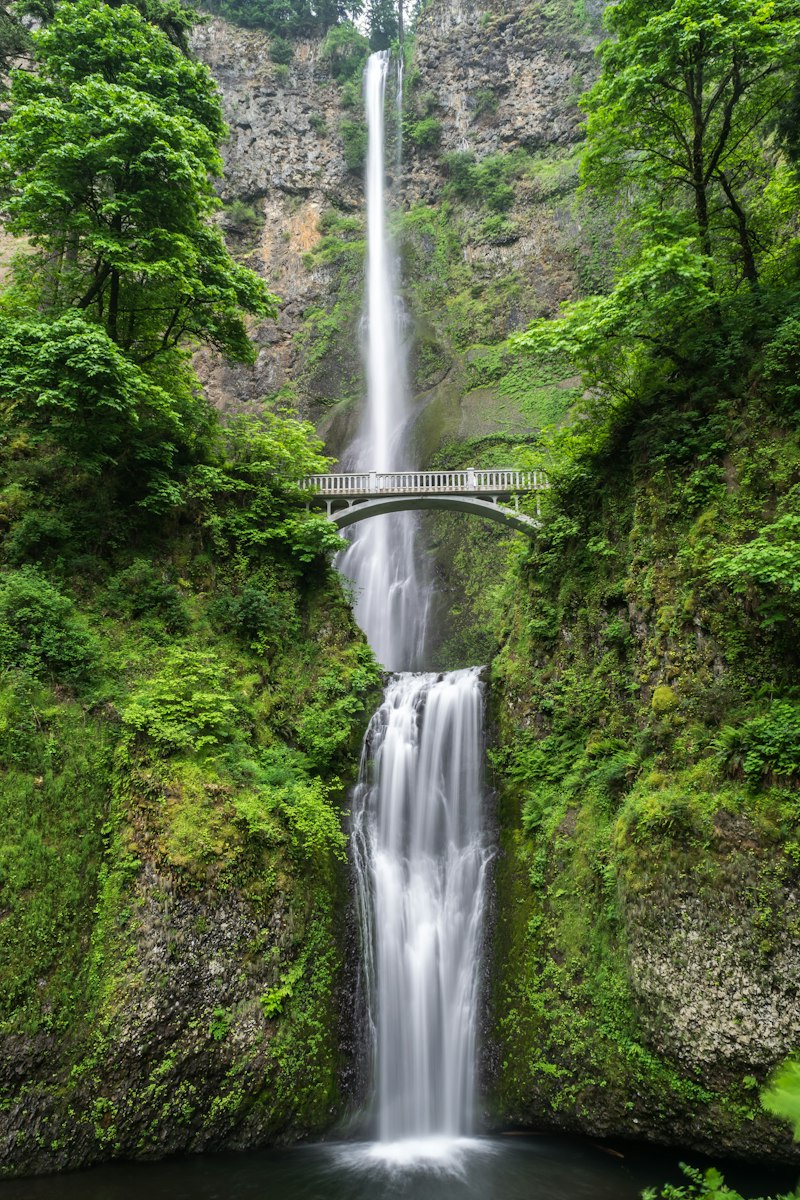
The wider cultural landscape is part of the story, because Salut only makes full sense when you notice the water, soil, and oasis logic that made settlement here possible.
Roads
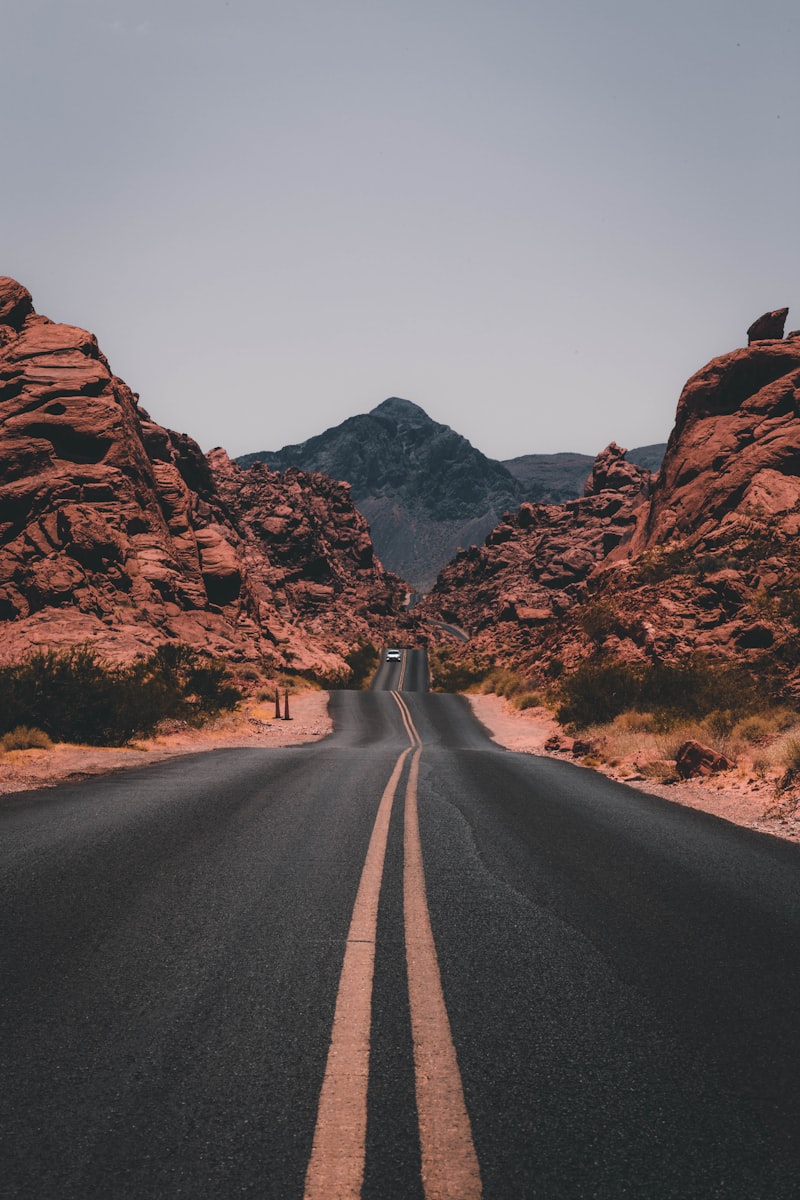
A Heritage Detour South of Bahla
This is the kind of inland stop that rewards travelers who are willing to leave the best-known fort circuit for somewhere quieter and, in its own way, more revealing.
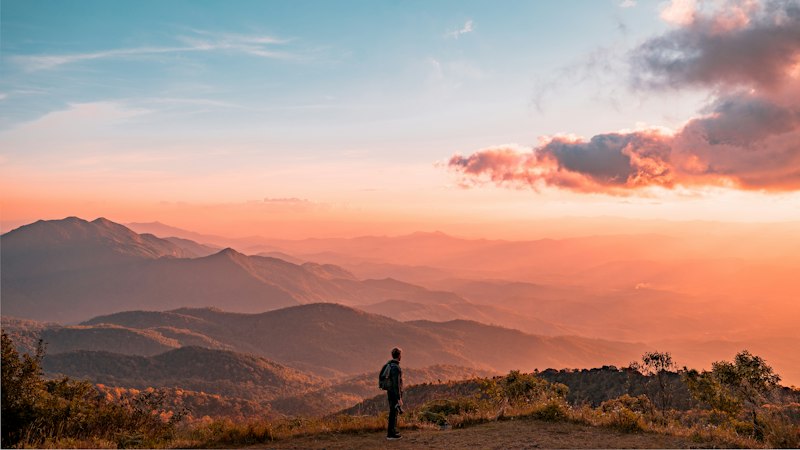
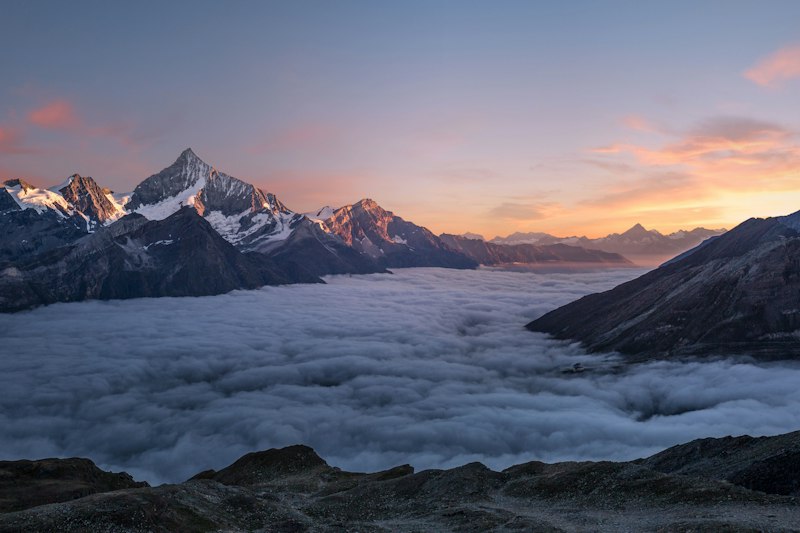
Sunsets
Late Light on the Excavated Hill
Toward evening the tones soften, shadows lengthen, and the site feels less like a protected monument and more like a memory holding its ground.
Heritage
Where Omani Archaeology Feels Alive
Salut is not only about antiquity; it is about continuity - the sense that irrigation, settlement, and story have been meeting on this ground for far longer than a single era.
✦ Highlights
Major archaeological hill settlement within the Bisya and Salut cultural landscape
Strong Bronze Age and especially Iron Age significance in inland Oman
UNESCO Tentative List status for the wider cultural landscape
Fortified architecture, terraces, towers, and oasis-setting visibility
Important evidence for early settlement planning and irrigation development
Excellent pairing with Bahla, Jabrin, and Nizwa on an inland heritage route
🎯 What to Do
🗿Archaeological Visit
🚶Heritage Walk
📷Photography
🚗Scenic Drive
📍Cultural Learning
📍History Stop
🗺️ Getting There
🚗
Drive from Muscat toward Nizwa and Bahla, then continue toward the Bisya / Salut area south of Bahla. The wider approach is by paved road and suitable for a standard car, though exact visitor access arrangements at the archaeological zone should be checked locally if you want more than a brief stop.
⚠Visit in cooler months and aim for softer morning or late-afternoon light on the earth-toned walls.
️Treat the site as fragile archaeology: do not climb exposed walls, move stones, or wander casually into unprotected areas.
✅Pair it with Bahla Fort, Jabrin Castle, or Nizwa for a stronger full-day heritage route.
�Bring water, sun protection, and good walking shoes because shade is limited.
�If interpretation matters to you, read a little before arriving; Salut rewards context more than spectacle.
Tourism Partners
Plan with a Local Guide
These operators offer guided tours and experiences at Wadi Hoqain — from half-day swims to full overnight treks. Book directly through them for the best experience.