
🏘️ Heritage Village📍 Ad Dakhiliyah🚗 Standard car
Al Hamra & Misfat Al Abryeen
Falaj water running through terraced mudbrick villages at the foot of the Hajar — the most complete picture of traditional mountain life in all of Oman.
Al Hajar Foothills
Falaj water running through terraced mudbrick villages at the foot of the Hajar — the most complete picture of traditional mountain life in all of Oman.
Al Hajar Foothills
Water runs through Misfat Al Abryeen in channels carved from rock centuries ago, feeding terraced gardens of date palms and orchards that hang off a stone outcrop like a village impossibly balanced on the Hajar foothills. The sound of running falaj water is constant here — it defines the texture of the place in a way that makes Misfat immediately distinct from every other heritage village in Oman.
Al Hamra below is different — a larger mudbrick town now mostly abandoned, where carved wooden doors still open onto courtyards catching morning light on walls unchanged since the 18th century. The Bait Al Safah museum demonstrates coffee roasting, bread-making, and weaving in a restored home setting that is more informative than theatrical. Together, Al Hamra and Misfat form the most complete picture of traditional Hajar mountain life in Oman.
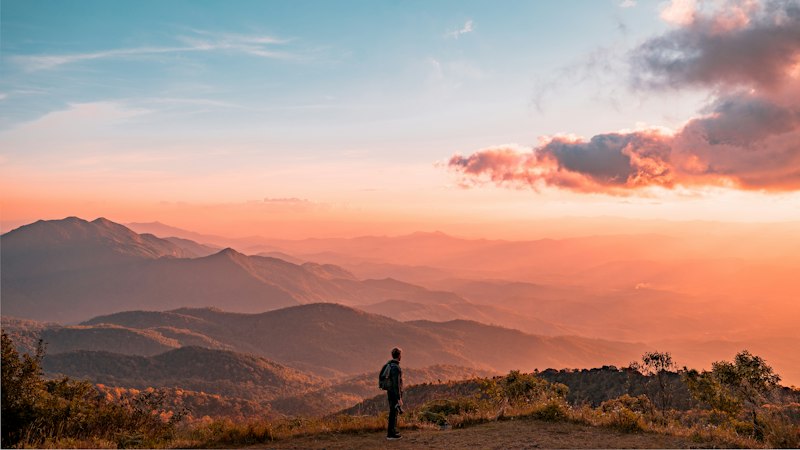
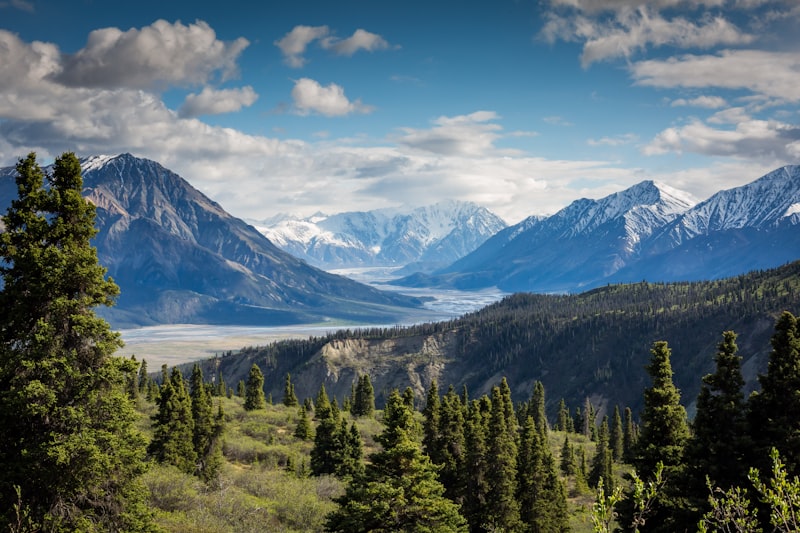
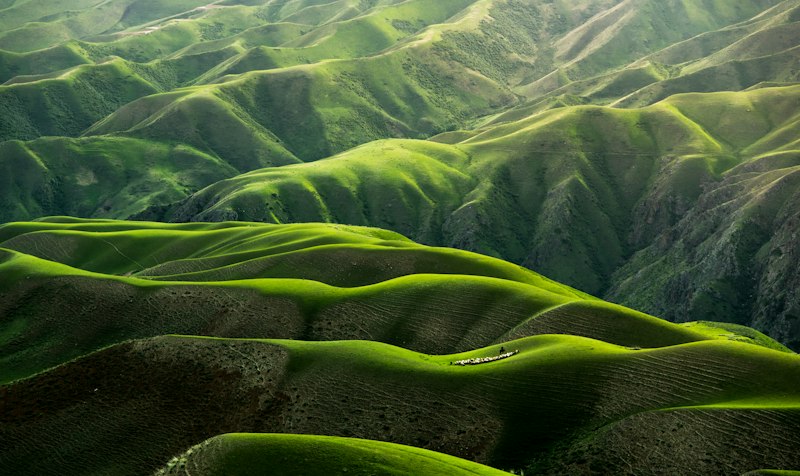
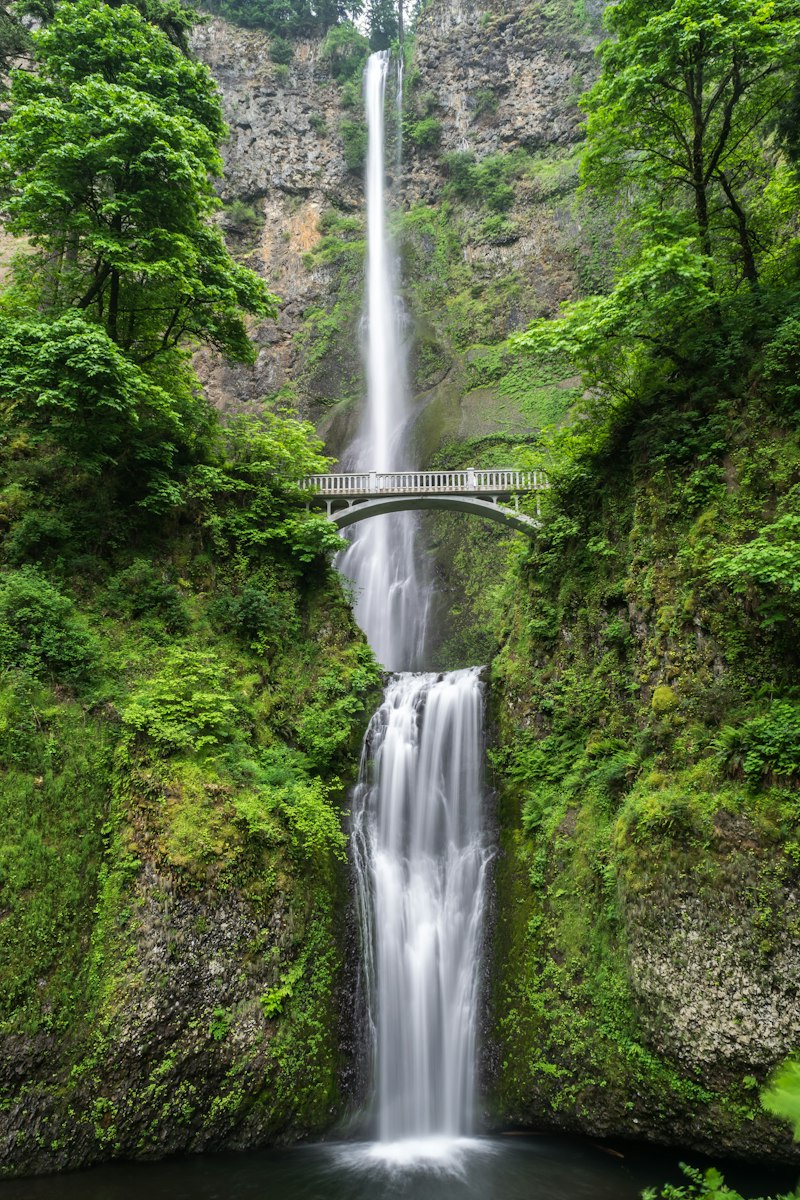
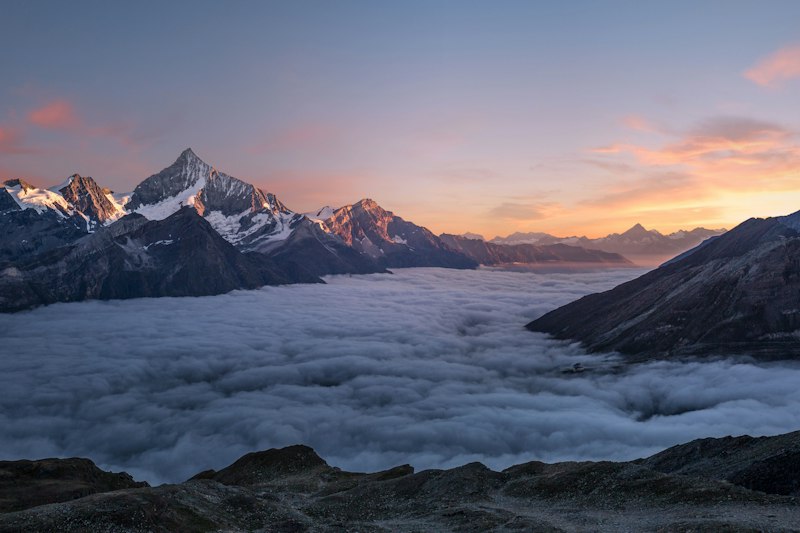
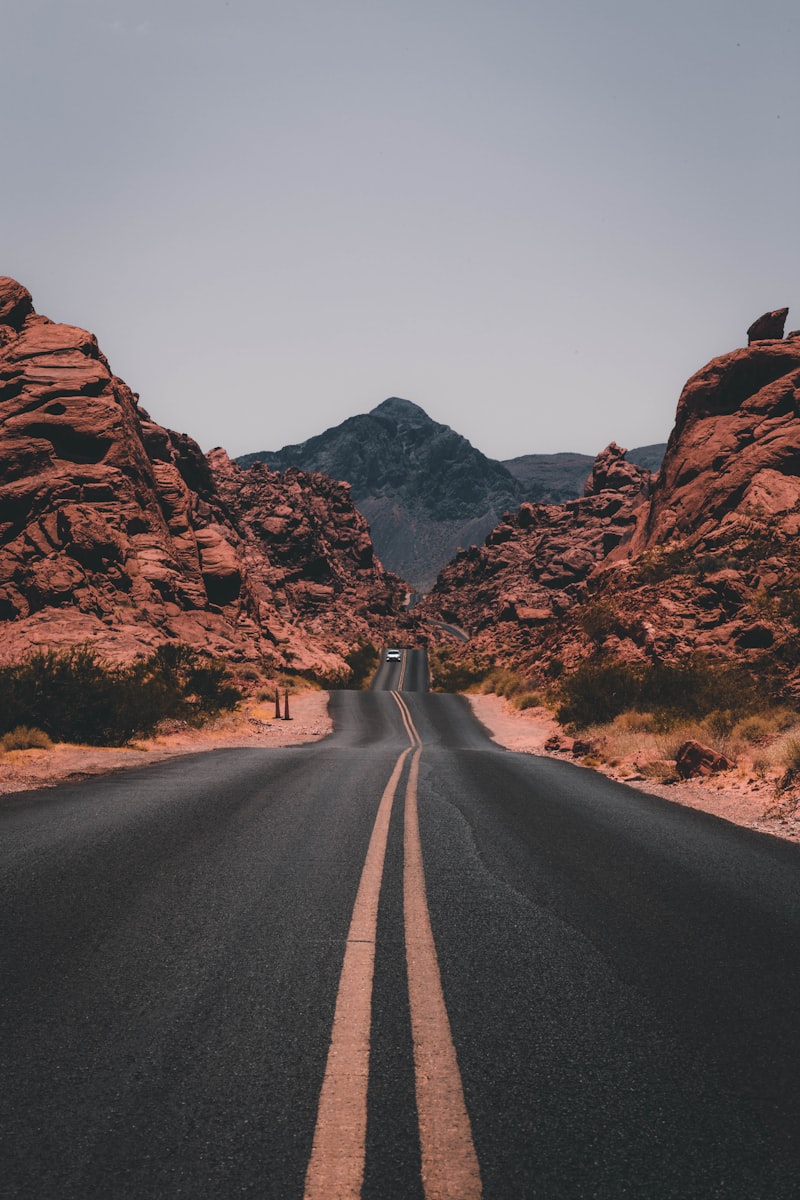
A curated selection of moments from the Al Hajar Foothills.

About 30–40 minutes west of Nizwa. Al Hamra is signposted from the main road. Misfat is 10 minutes further into the mountains on a narrow but passable road. Standard car is fine.
These operators offer guided tours and experiences at Wadi Hoqain — from half-day swims to full overnight treks. Book directly through them for the best experience.