A pale cliff above the Hasik road where water from Jebel Samhan keeps writing itself into limestone, creating one of the Dhofar coast's strangest and most photogenic roadside stops.
Hasik, Eastern Dhofar Coast
Living LimestoneHasik Coastal Landmark
About this Destination
Travellers call it Marble Mountain because that is what it feels like at first glance: a white, sculpted wall rising above the coast as if someone had sliced open a mountain and polished the inside. The closer you get, the more interesting it becomes. This is not a distant peak to admire and leave behind, but a roadside geological surprise near Hasik where the stone itself seems to be softening, folding, and dripping downward in long pale tongues against darker rock.
The strongest descriptions point to the same identity. Near Hasik and Ayn Natif, runoff from the Jebel Samhan plateau drips through the limestone year-round, even in the hotter months, shaping a remarkable cliff face that guidebooks describe as a living stalactite in the making. After heavier rains the effect becomes more dramatic, with water moving over the formation like a temporary waterfall. So the name Marble Mountain is worth keeping because people search for it, but the deeper appeal is even better: this is a real limestone water-formed landmark on one of Oman's most atmospheric coastal drives.
Visual Journey
Experience Marble Mountain Through the Lens
A curated selection of moments from the Hasik, Eastern Dhofar Coast.
Landscapes
The White Cliff Above the Coast
Seen from the road, Marble Mountain works instantly - pale rock, darker backing stone, and the feeling that water has been quietly shaping it for longer than anyone has been stopping here.
Landscapes
Where Water Writes on Limestone
The fascination is in the texture: drip-made folds and mineral traces that make the cliff feel less static than most roadside viewpoints ever do.
Roads
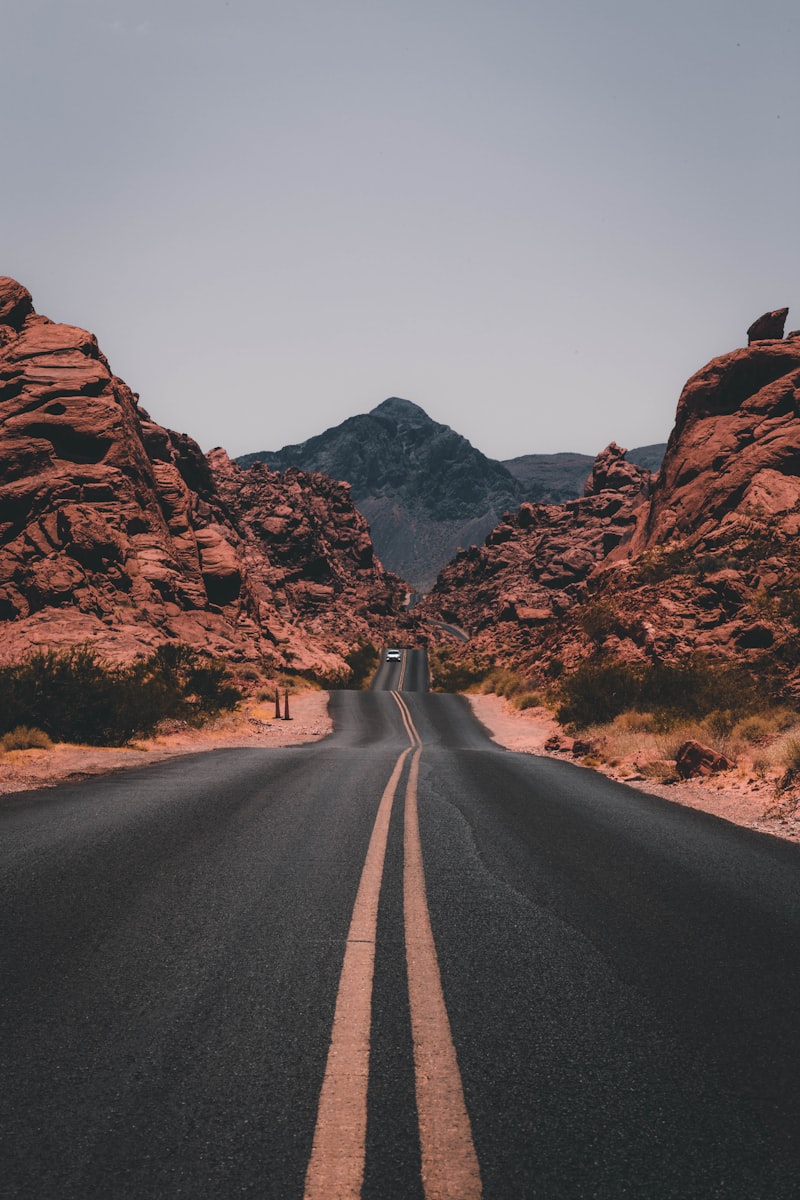
A Hasik Detour Worth Slowing For
This is the sort of eastern Dhofar stop that rewards curiosity - not huge, not heavily built up, just unexpectedly memorable if you actually get out of the car.
Landscapes
Sea, Cliff, and Jebel in One Frame
Part of the appeal is the setting itself, where the coastal road, the Arabian Sea, and the Jebel Samhan runoff all seem to meet in one strange piece of geology.
Waters
After Rain, the Formation Comes Alive
In wetter periods the cliff stops looking purely sculptural and starts behaving like a seasonal waterfall, which is exactly why so many travellers remember it so vividly.
Sunsets
Late Light on the Pale Rock
Toward evening the white limestone softens into cream and gold, and the whole stop becomes quieter, warmer, and more cinematic.
Roads
The Long Coastal Drive East of Salalah
Marble Mountain is best understood as part of a bigger Dhofar day - Mirbat behind you, Hasik ahead, and the sense that the road is giving you one more surprise before it is done.
✦ Highlights
Hasik roadside limestone formation often referred to by travellers as Marble Mountain
Year-round dripping runoff that shapes the cliff like a living stalactite
Stronger waterfall effect after rain and during the greener season
Excellent pairing with the scenic Salalah-Mirbat-Hasik coastal drive
A rare Dhofar stop where geology feels as dramatic as the sea views
Easy access by standard car with no major hike required
🎯 What to Do
🚗Scenic Drive
📷Photography
🪨Geological Sightseeing
📍Roadside Stop
🦜Birdwatching
📍Viewpoint
🗺️ Getting There
🚗
Drive east from Salalah past Mirbat toward Hasik, then continue along the coastal highway in the direction of Hadbaram. The formation is treated as a roadside stop with a small parking area, and the main approach is suitable for a standard car in normal conditions.
⚠Go in softer morning or late-afternoon light so the pale rock reads clearly and the coast feels more dramatic.
️After rain the formation can look more alive, but wet surfaces are slippery and roadside caution matters.
✅Do not climb onto unstable or wet rock just for photos; the appeal here is best enjoyed from safe ground.
�Combine it with Hasik, Mirbat, and the Jabal Samhan coastal drive rather than treating it as a standalone day.
�Bring water and do not expect major services at the stop itself.
Tourism Partners
Plan with a Local Guide
These operators offer guided tours and experiences at Wadi Hoqain — from half-day swims to full overnight treks. Book directly through them for the best experience.