
💧 Wadi📍 Ad Dakhiliyah🚗 Standard car
Wadi Tanuf & Tanuf Ruins
A ruined mountain village at the mouth of a canyon where falaj water still threads through stone — one of the most atmospheric short detours in inland Oman.
Ad Dakhiliyah
A ruined mountain village at the mouth of a canyon where falaj water still threads through stone — one of the most atmospheric short detours in inland Oman.
Ad Dakhiliyah
Tanuf is the kind of place that slows you down before you realise it has. A turn off the main road between Nizwa and Bahla leads into a broad canyon mouth where mudbrick walls stand half-dissolved into the earth, the cliffs of the Hajar rising behind them like a stage set too large for the village below. Walk a little farther and the mood changes again: the wadi opens, palms and water soften the scene, and the whole place becomes less about ruins than about how beautifully life once fit into this landscape.
What makes Tanuf more than a photo stop is the layering. The old village was damaged and abandoned during the Jebel Akhdar conflict of the 1950s, but the setting still feels alive because Falaj Tanuf runs through the area in a dramatic cliff-hugging line, and Wadi Tanuf continues into a canyon shaped by water, movement, and much older human use. If you arrive in soft morning light or near sunset, it feels less like visiting a site and more like being let into a quiet chapter of Oman that never quite closed.
A curated selection of moments from the Ad Dakhiliyah.
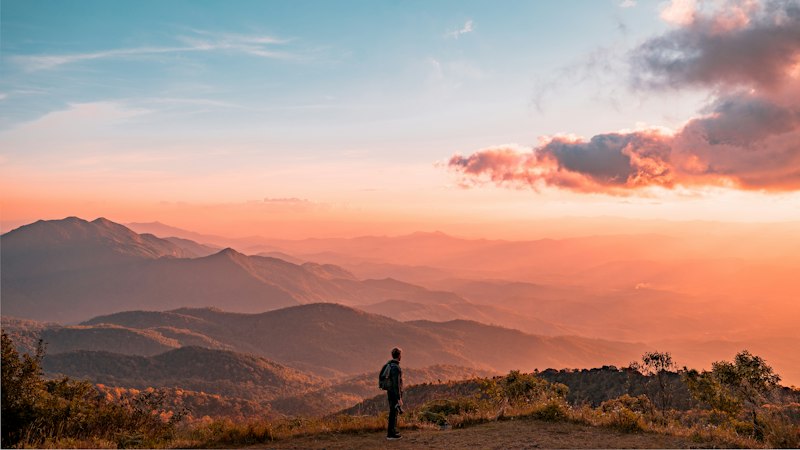
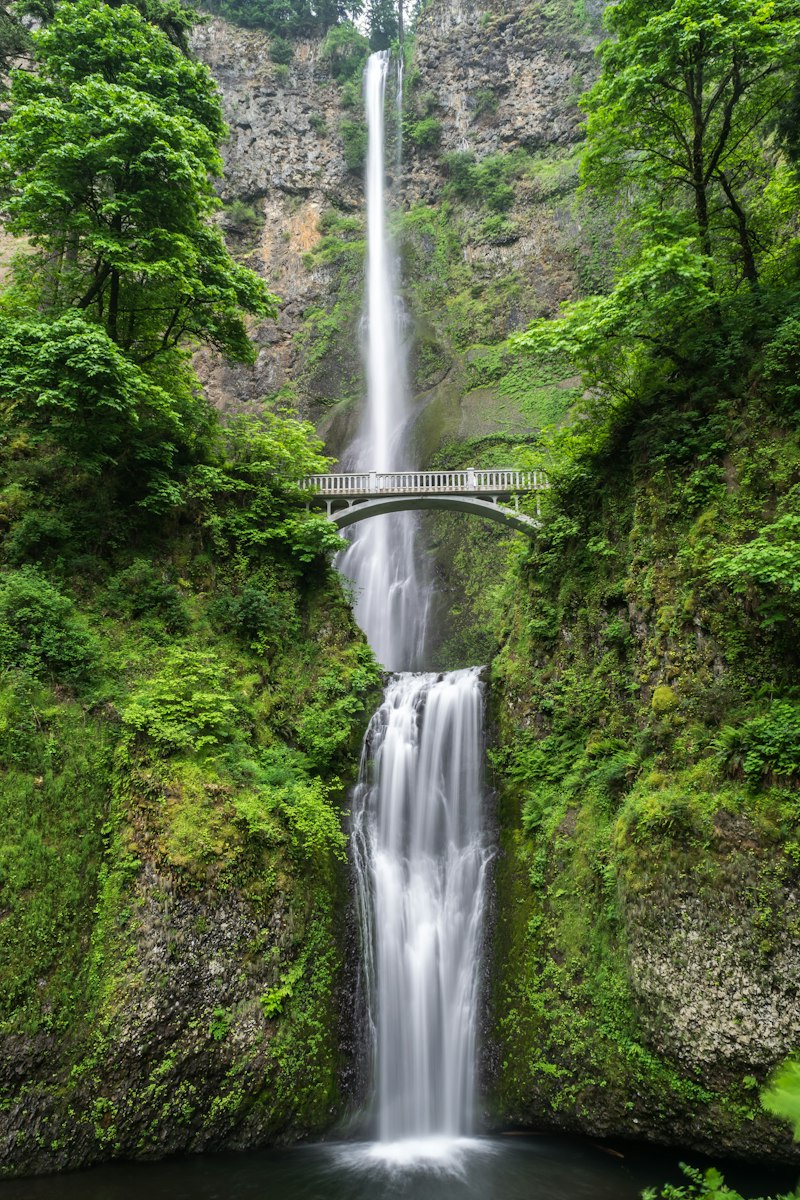
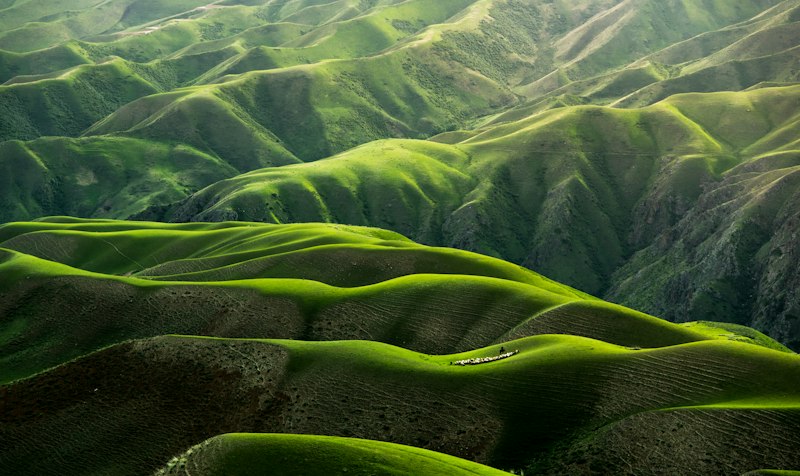



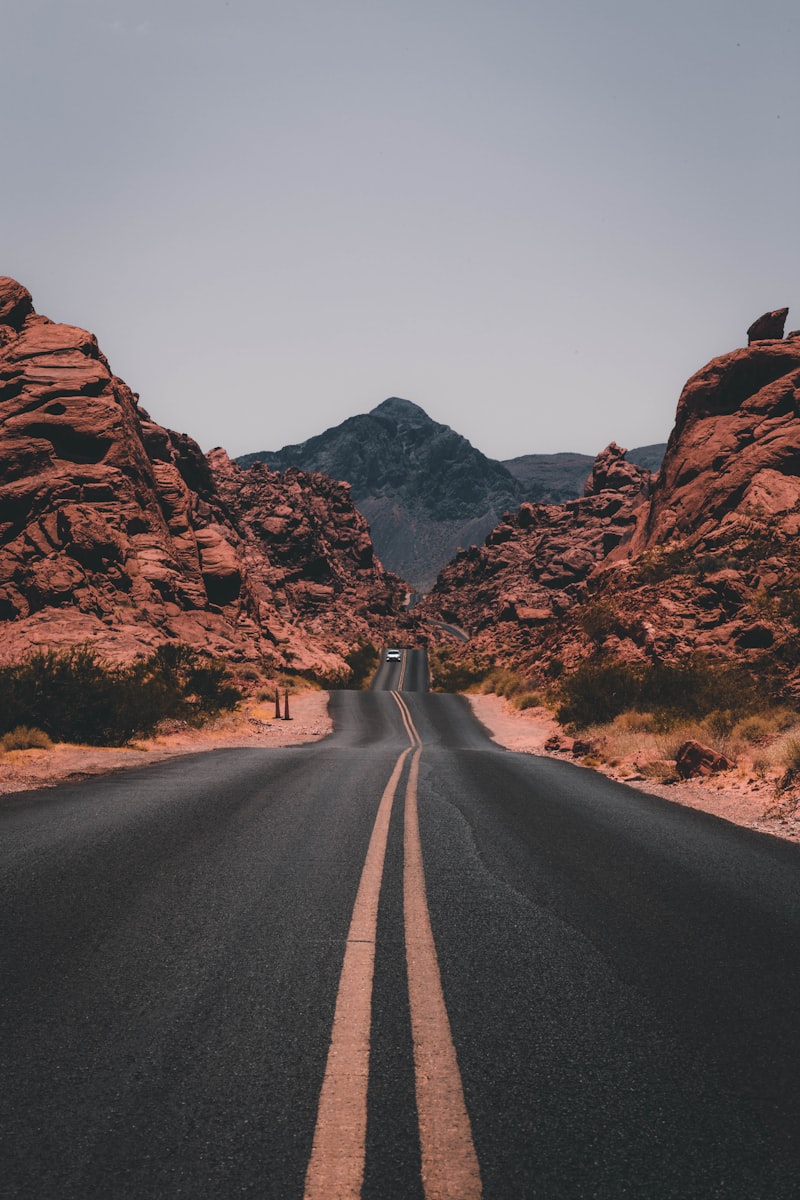
Drive on Route 21 between Nizwa and Bahla, then follow the signed turn for Tanuf toward the mountains. The ruins sit close to the wadi entrance and are reachable by standard car; deeper exploration into the canyon depends on road and weather conditions.
These operators offer guided tours and experiences at Wadi Hoqain — from half-day swims to full overnight treks. Book directly through them for the best experience.